


The general recommended wait time is 24 hours or more. With that being said, sometimes you only need to wait 15 minutes before swimming again.
With guidelines all over the map on safe times to start swimming, we understand why this question can be somewhat confusing. After all, shocking a pool should make it clean, right?
It’s a bit more complicated than that. Not to worry, though, because we’re going to get to the bottom of this question and give you a complete answer.
Good Day Living here: we’re on a mission to deliver exceptional craftsmanship in home and pool construction. As part of our offerings, we’re also here to help you learn more about pool maintenance, like shocking a pool.
If you’re jonesing to dive into a pool post pool-shock, you might want to read this article. In it, we’ll unpack a few key topics related to pool shocks, including:
- Why shocking pools is key to ensuring a healthy, long-lasting pool
- Factors that can affect when you can swim in a pool after it has been shocked
- What to expect after shocking a pool
- Our final verdict on when you can swim after a pool has been shocked
3 Common Pool Shock Types
| 1. Calcium hypochlorite (Cal-Hypo for short) 2. Dichloro-s-triazinetrione or sodium dichlor (Dichlor for short) 3. Potassium monosulfate (non-chlorine-based shock for short) |
Why is shocking a pool important?
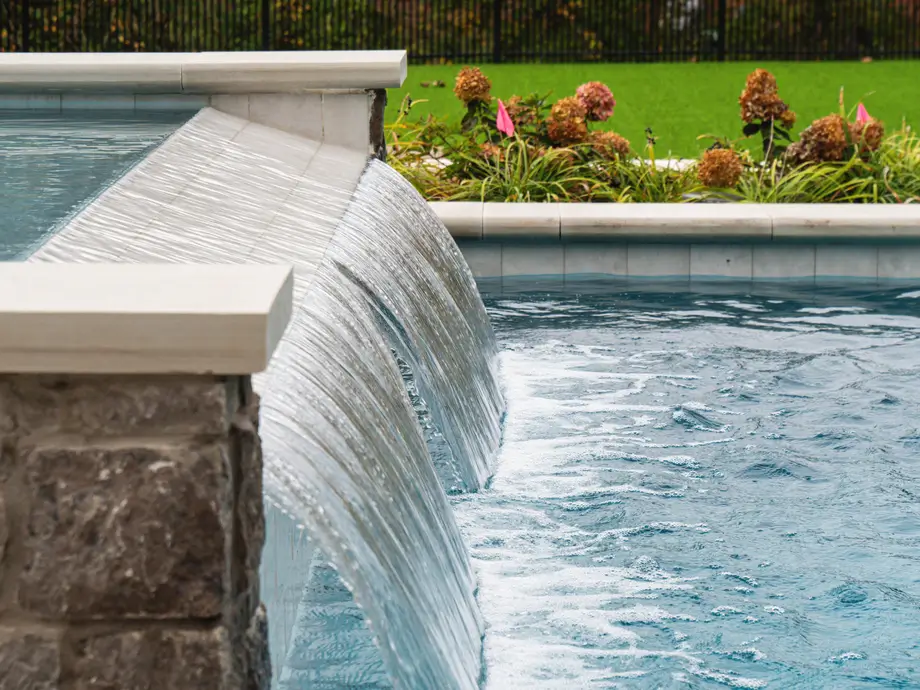
Shocking a pool involves keeping pool water clean and clear to help eliminate harmful bacteria, algae, and other contaminants present in the water. In fact, shocking a pool involves treating pool water with chlorine or other non-chlorine sanitizers to raise the chlorine level to a point where contaminants like algae and other bacteria are destroyed.
As well, when chlorine forms with waste that swimmers bring into pools, the chemicals that form from chlorine and body waste are called chloramines.
When chloramines turn into gas in the air, they can irritate the skin, eyes, and respiratory tract.
Fortunately, pool shock and other sanitizers can save the day. They help break down chloramines so we can swim more safely.
But you can’t start swimming straight away. You have to wait a certain amount of time before diving back into your backyard pool.
“Why, though?” You might be wondering.
Let’s take a look at a few of the factors why we need to wait before being able to jump back into a pool after it’s been shocked.
Factors affecting swim time post pool-shock
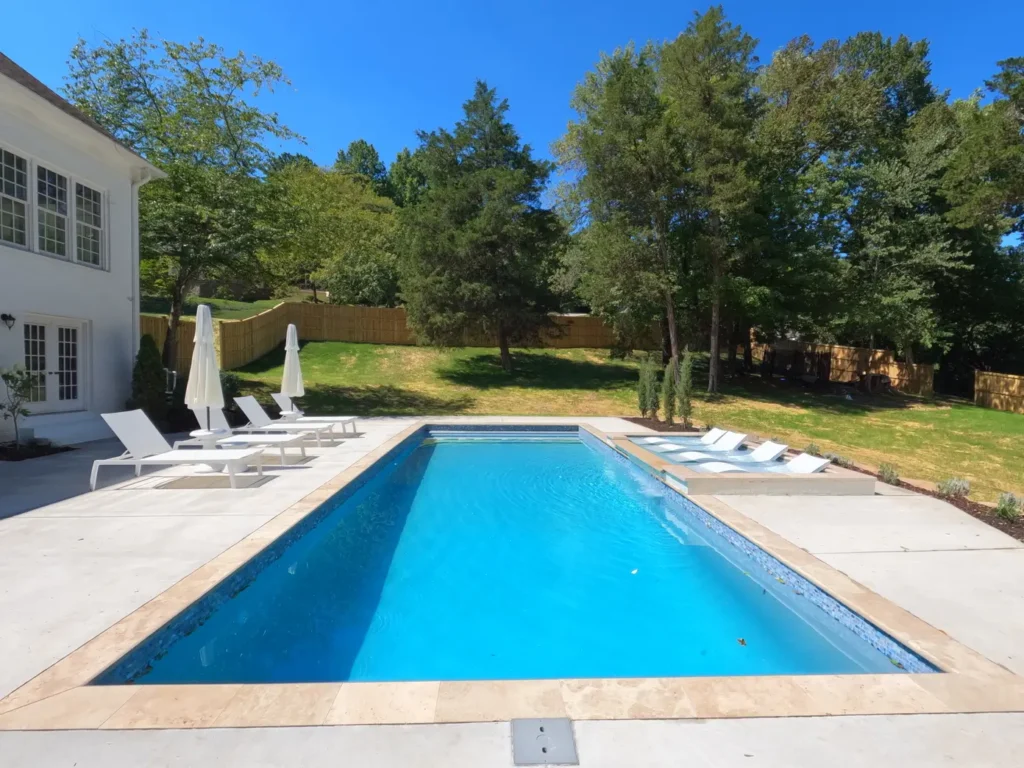
Swimmers need to wait to swim after shocking a pool, but the amount of the time they need to wait varies based on the following factors:
- The size of the pool
- The size of the shock dosage
- Water quality and water conditions
- The strength and type of pool shock used
Pool size
The larger the pool, the longer the time you need to wait before the water chemistry is balanced. For example, larger pools with more water volume need more time for shock treatment to integrate into the water and disperse throughout the pool.
To help you facilitate this process, when you shock your pool, keep the pool pump running at high speed when adding any type of pool shock or water-balancing chemicals. Doing so will ensure that the chemicals spread throughout the pool instead of lingering in certain areas.
When chemicals linger in one area, they can harm swimmers and damage pool surfaces.
Shock dosage
In terms of pool shock used, as you increase the shock dosage per volume of water, chlorine levels will also rise. In other words, more shock means higher chlorine levels.
So, for example, if you’re trying to kill algae growth in a pool, a process which requires a higher dose of chlorine, you’ll need to wait longer before jumping in the pool.
What does that mean for swimmers? Sorry, everyone: we’ve got bad news for you. You’ll need to wait a little longer before it’s safe to swim in the pool.
Water conditions and water quality
One of the many factors that affect how long you should wait after shocking a pool before the pool is safe for swimming is the condition of the water.
The initial condition of the pool water can influence the waiting time after shocking it. You may need to wait longer to jump in your pool so that the shock treatment can restore healthier, cleaner water, that is, if you notice any of the following in your pool:
- Biological contaminants from people, animals, or bacteria
- Cloudy water as a result of excess calcium, pH balance, or debris
- Algae growths
- Improper chemical balances in a pool (which can cause cloudy, hazy, slippery, slimy, or overly chlorinated water)
Type and strength of shock treatment
Not all shock treatments are created equal. A few common shock treatments include Cal-Hypo, Di-Chlor, and non-chlorinated potassium monopersulfate (an oxidizer that’s made of potassium salt).
Cal-Hypo, short for calcium hypochlorite, contains chlorine and helps increase cyanuric acid in a pool. Cyanuric acid helps chlorine last longer.
Di-Chlor, another chlorine-based shock, doesn’t add calcium, so it’s a healthier option than Cal-Hypo, especially if you’re looking to use a shock that doesn’t bleach or stain surfaces.
Finally, if you’re looking for a non-chlorinated pool shock, potassium monopersulfate oxidizer is an effective alternative. While it isn’t quite as strong as Di-Chlor or Cal-Hypo, potassium salt helps free chlorine attack existing bacteria in a pool.
While it won’t remove the material altogether, the oxidizer helps break down the organic material down on a molecular level so that it’s no longer harmful.
Guidelines on when you can swim in a pool post-shock

How long should you wait after shocking a pool before you can jump in? As you can see, the answer relies on the factors discussed above. But, as a general guideline, if superchlorinating a pool, you should wait at least 24-48 hours before jumping in your swimming pool.
This range seems to be the sweet spot for most pool owners, because it provides sufficient time for the shock treatment to disperse, the water to be thoroughly sanitized, and chlorine levels to stabilize with the ideal range of 1-4 parts per million (ppm).
If using chlorine-free oxidizing shock, you usually only need to wait about 15 minutes before swimming. With that being said, each shock product has different recommended waiting times and amounts of chlorine, so you’ll need to read the instructions on the packaging to determine how long you should wait before you can dive into your pool.
Testing the waters: what to expect after shocking a pool
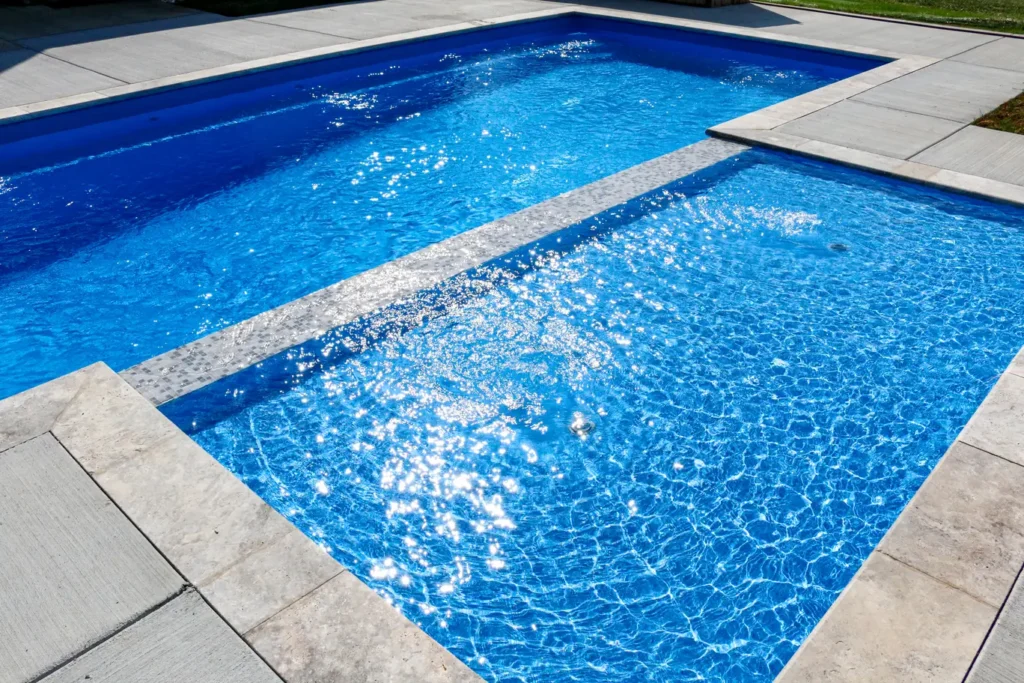
If you notice the chlorine levels in your pool are more than 1-4 ppm, you’ll likely need to wait longer before jumping in your pool. Likewise, if chlorine is too low, you’ll need to test the water again or add more pool shock.
Common reasons why a pool could be low on chlorine include:
- Not adding enough pool shock or sanitizer to the water
- Heightened demand for chlorine due to elevated amounts of pool contaminants, such as nitrogen products, resistant algae, fungus, bacteria, rain, pollution, or waste
In both cases, you’ll need to add more shock to your pool before you can swim safely in your pool again. In summary, you always want to test your water after shocking a pool or conducting regular pool maintenance.
Doing so will help you gauge pH levels as well as other chemicals which can affect your pool water quality, and subsequently, your health.
Good Day Living safety tips
When combined with other substances, chlorine can be an extremely dangerous chemical. Research shows that combining pool shock chemicals, like calcium hypochlorite, with other substances can cause burns to the face and eyes.
While many pool owners think they can shock their pool on their own, we always recommend consulting with a vinyl pool, fiberglass pool, or gunite pool specialist first. Pool professionals have the knowledge and experience to show you the best treatment for your pool.
In other words, always consult an expert source before you change the chlorine content in your pool.
To swim or not to swim? That’s the question.
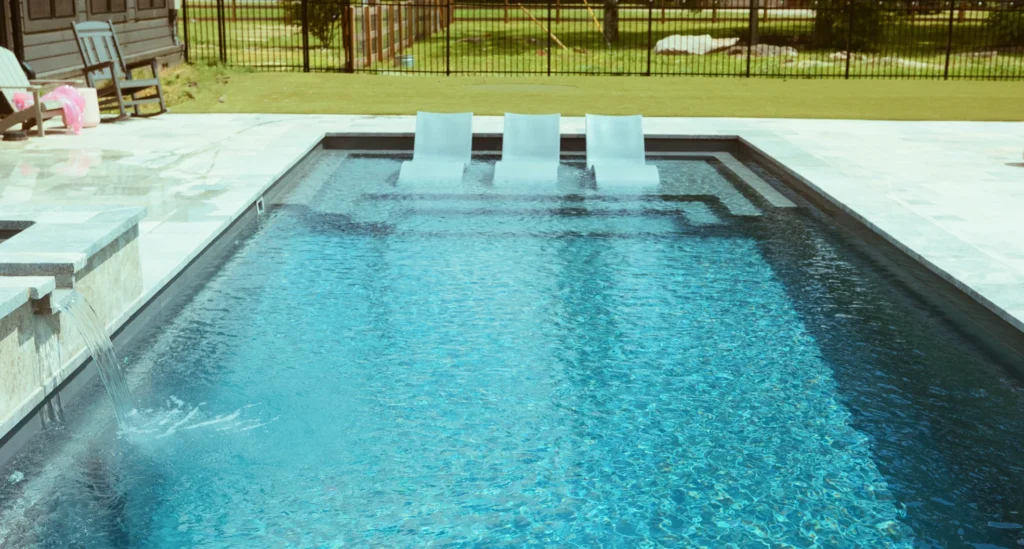
The answer can be anywhere from 15 minutes, 12 to 24 hours, and up to 48 hours. For example, when using chlorine-free shock, you can swim in as little as 15 minutes.
With chlorine pool shock (like Cal-Hypo or Di-Chlor), you need to test your water before swimming to make sure that chlorine is within 1-4 parts per million (ppm).
If you decide to superchlorinate your pool, you might need to wait 24 hours or more. With that being said, if you’re only adding a small amount of shock to give free chlorine levels a bit of a boost, you likely won’t have to wait as long.
Nevertheless, you should never jump into chemical and water testing without first consulting a seasoned pool professional. If you need expert advice about a backyard pool, don’t hesitate to reach out to our pool construction specialists.
We have more than two decades of experience building and maintaining pools, so you’re sure to find answers and resources to all your pool-related questions. Contact us today!