


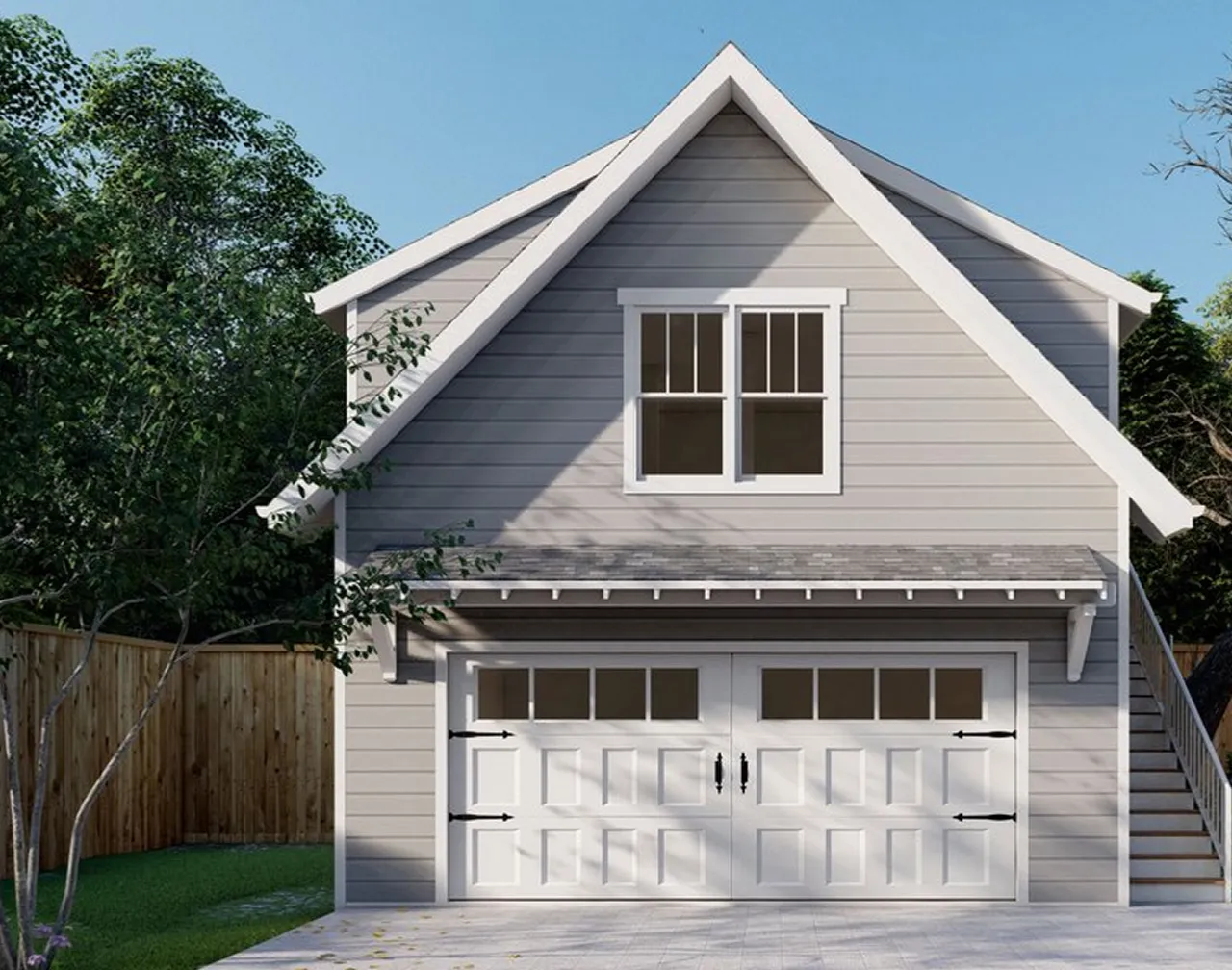
You’ve got land, but no home yet. Or, perhaps you’re thinking of building a home on your land.
Embarking on your journey to build your beautiful new home on a plot of land is exhilarating and scary at the same time.
Imagine the possibilities! But what will it cost? These are some of the thoughts many of our clients have before embarking on the process.
If you’ve ever experienced similar thoughts, feelings of trepidation, or curiosity about building a home on your land, then this article was made for you.
Join us! Our Good Day Living team pooled together our resources to help illuminate the pivotal stages and unique aspects of what it takes to realize your dream home on a new plot of land.
From building permits and licenses to choosing your home builder and embarking on construction, we’ll cover everything under the sun, including:
- Tips for selecting the perfect parcel of land
- How to navigate how much land to develop and build
- Working with building licenses, permits, and codes
- Choosing the right home builder
- Navigating construction and temporary living while your home is being built
- Choosing a builder who is versatile in custom luxury home building
Tips for selecting the perfect piece of land

But, wait. What if you don’t have a piece of land yet?
Perhaps you haven’t yet determined where your home is going to be. Building your dream home starts with the decision of finding a tract of land that resonates with your lifestyle and interests.
When selecting the right piece of land, we always recommend scouting out and prioritizing:
- The geographical location where you want to build your land
- The upfront financial cost of the build
- The spatial dimensions of your build
- How close in proximity your home is to cherished amenities
- How the environment could impact the safety and livability of your home
By keeping these factors in mind, you can better navigate what to build and how much time it takes to build your home.
How do you navigate how much land to develop and build?
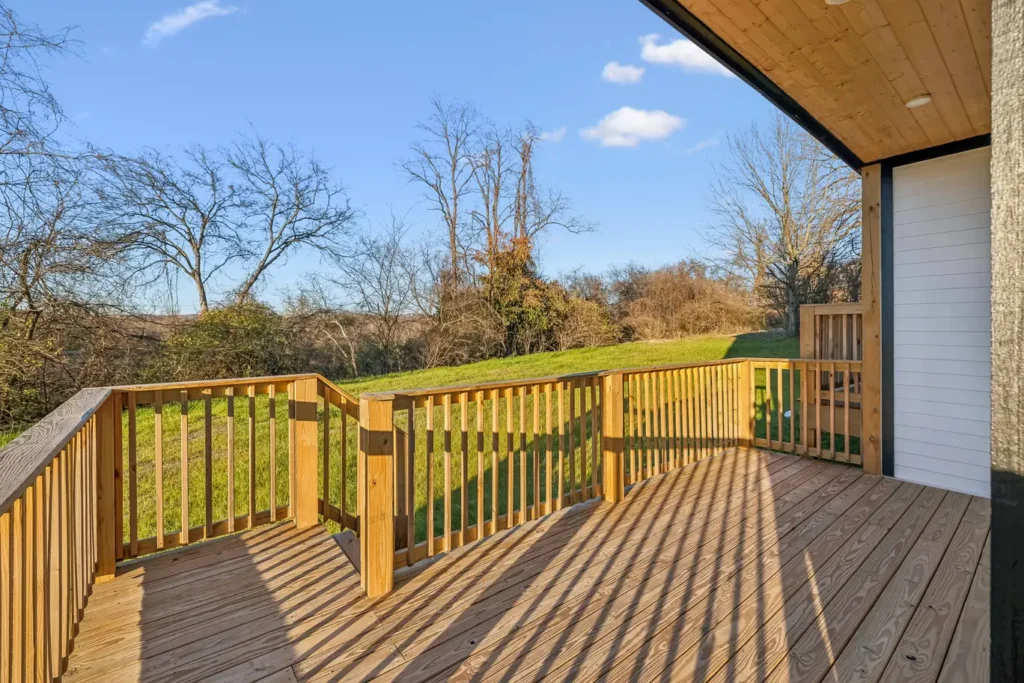
If you’re thinking of building a home on your own land, here’s how you can navigate how much land to develop and build for your new custom home.
- Navigate local ordinances to determine the right land-to-build ratio for your specific location.
- Reach out to a design-build firm and ask them to help guide you in determining your land-to-building ratio.
- Calculate the footprint of building your home. You can do so by multiplying your land’s total area by the land-to-building ratio of your home.
- Don’t forget to check auxiliary structures like garages or sheds, which aren’t often built into the overall construction blueprint’s total footprint.
- If in doubt, reach out to a professional building firm that’s well-versed in local regulations in your area.
A building firm can help you prepare for some of the most complex processes of building a home on a piece of land: home construction, mortgages, and pricing.
Budgeting for building your dream home on your land
Most prospective homeowners aren’t aware of all the costs associated with building a home on a plot of land. From mortgages to lender loans to home estimates, building a new home can be expensive, that is, if not properly guided through the process.
Here’s how to navigate budgeting for a new home.
- Evaluate your finances: Do you need to take out a loan or a mortgage? Consider your options.
- Determine what your musts and nice-to-haves: Determining what you absolutely can’t do without in your home, along with wishlist items, will help you determine a more accurate estimate of your project.
- Expect the unexpected: Having a contingency fund in place before building is essential. About 10% of your budget should be allocated to the unexpected moments that crop up, which require extra spending.
- Consider ancillary spending items: Beyond building your home, keep in mind the cost of homeowners’ association fees, taxes, utilities, and general maintenance around your build.
Of course, even with the best of planning, unexpected costs can arise. Let’s take a look at some of those unexpected costs.
Unexpected costs to prepare for
The following unexpected items can add up dollar signs when building a custom home on a plot of land.
- The cost of hiring architects and other building professionals
- Potential design changes
- The cost of acquiring permits and writing contracts
- Interest rates on home loans and loan terms
- Paying financial advisors to help with planning to fund your new home build
Understanding building licenses, permits, and codes
When the time comes to design your dream home, let alone build it, you’ll need to acquire building permits, comply with local municipal and building codes, and ensure you and your building team are licensed to embark on the construction process.
Each city and municipality abides by different regulations, so holding a permit is key to a successful, worry-free build.
A few common permits needed to build a home on a plot of land include:
- Local building permits
- Zoning approval-related permits
- Environmental permits
- Hazardous waste permits, such as septic unit permits
- Special-use permits (in the case of building an accessory dwelling unit)
- And more
And don’t forget that home inspections are needed for new construction projects. By procuring all necessary permits and ensuring your home is up to code via a careful and detailed home inspection, you can ensure your new home build goes according to plan.
How to choose the right home builder
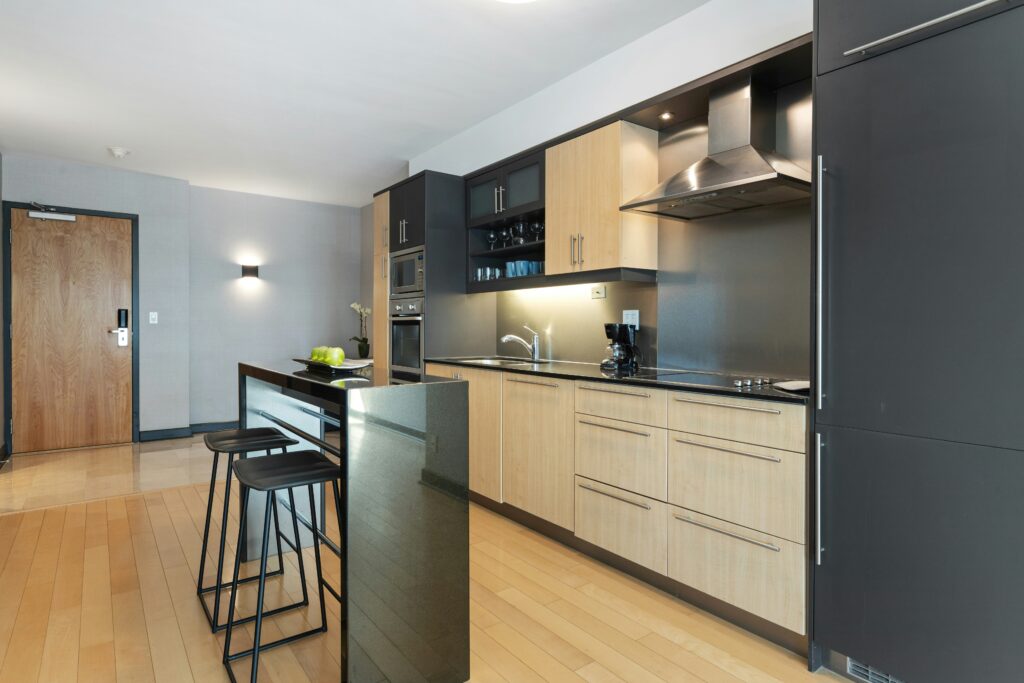
Many of the concerns mentioned above will be addressed before you start building your new home. When you choose the right home builder, the home-building process, everything from finishes to floor plans, should progress smoothly and without delays.
As such, finding the right home builder is key to ensuring a worry-free construction experience.
Your builder should ideally be:
- Experienced and carry building credentials
- Have an extensive portfolio of diverse construction builds under their belts
- Offer opportunities for customization
- Provide transparent pricing that matches industry trends
- Communicate with complete transparency at every stage of your new build
- Use quality, artisan materials
- Have a keen eye for local regulations and an extensive network of suppliers and subcontractors who can help make the build go off without a hitch
- Provide quality warranty and post-build support
- Have an extensive presence in the local community and online
- Adhere to project timelines and provide you with a detailed time estimate before building
The right home builder is subjective, but we’ve found our clients tend to appreciate builders who carry themselves with integrity, kindness, and a dedicated work ethic.
Navigating construction and temporary living with your new build

We saved the best for last.
One of the most exciting aspects of building a new home on a tract of land is the actual building process itself. To better gauge your expectations, here are a few different steps in the building process.
- Clearing and preparing the construction site
- Setting the foundation
- Framing the home, its layout, and shape
- Building the space for utilities, such as plumbing, wiring, and air conditioning and heating systems
- Interior and exterior work (such as roofing, siding, insulation, drywall, and more)
- Installing fixtures, appliances, and internal structures
- Conducting final inspections on the home
A Good Day moment
Check out what luxury living looks like at one of the homes we built on a new piece of land. At the end of the day, every detail matters.
Craftsmanship with integrity is what it’s all about. We take pride in the quality of our work and do what’s right, even when no one is watching.
Because Good Days come to life in the details. And every detail matters.
The importance of choosing a versatile custom home builder
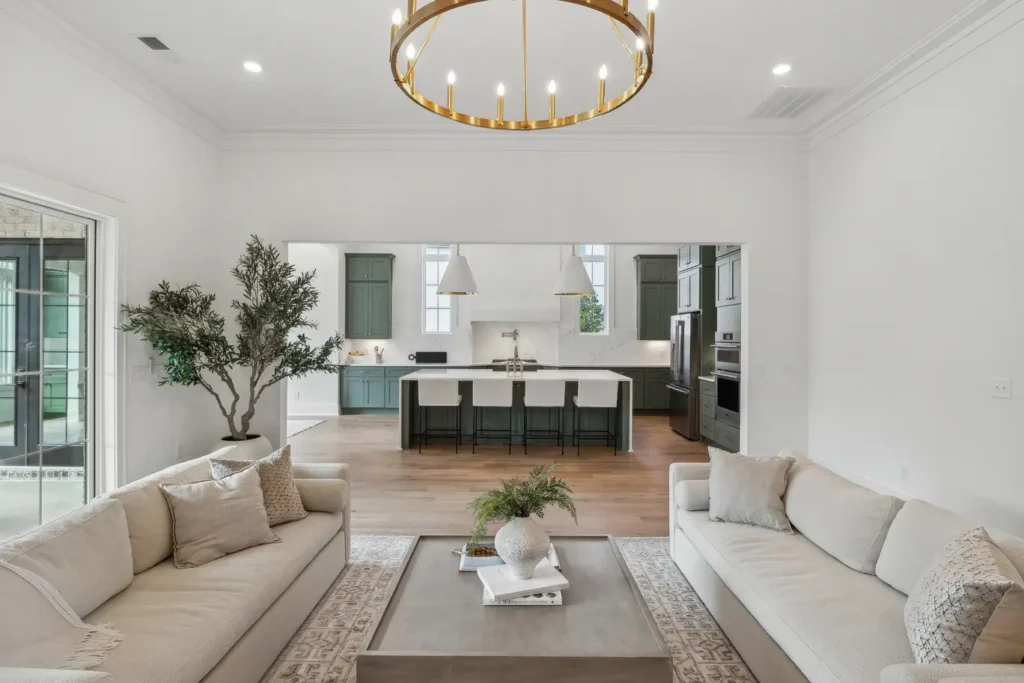
Federal research shows that 30-year fixed-rate mortgages are at some of the lowest levels they’ve been over the last 45 years. When hiring a custom builder for your new build, consider a team that’s up-to-speed on changing market valuations, as they’ll be able to give you more personalized advice for your new build.
For example, at Good Day Living, we treat each client as an entirely new project. No cookie-cutter methods or processes, just personalized advice tailored to each individual’s situation.
For more than 20 years, we’ve been building and constructing beautiful new homes in the Middle Tennessee area. If you’re thinking about building a home in the Volunteer State, look no further than Good Day Living.
We welcome you to our part of the state, and we’d be happy to walk you through your options for your new build. Contact us today for a complimentary consultation on your prospective build.